You may have noticed fire hydrants and blowoffs being flushed and releasing large amounts of water into the streets. While it may appear that hundreds of gallons are going to waste, there are actually several benefits to hydrant and blowoff flushing processes. Water main flushing is an important preventative maintenance activity that assists with the following:
- verifies proper operation of the hydrant
- evaluates the available flow to the hydrant
- allows utilities to deliver the highest quality water possible to their customers
- removes mineral and sediment build up from the water mains
During the flushing of a hydrant or blowoff, operators can assess the water pressure and available flow rate for firefighting purposes. It’s imperative that each hydrant is operating as firefighters rely on them for fire-ground operations.
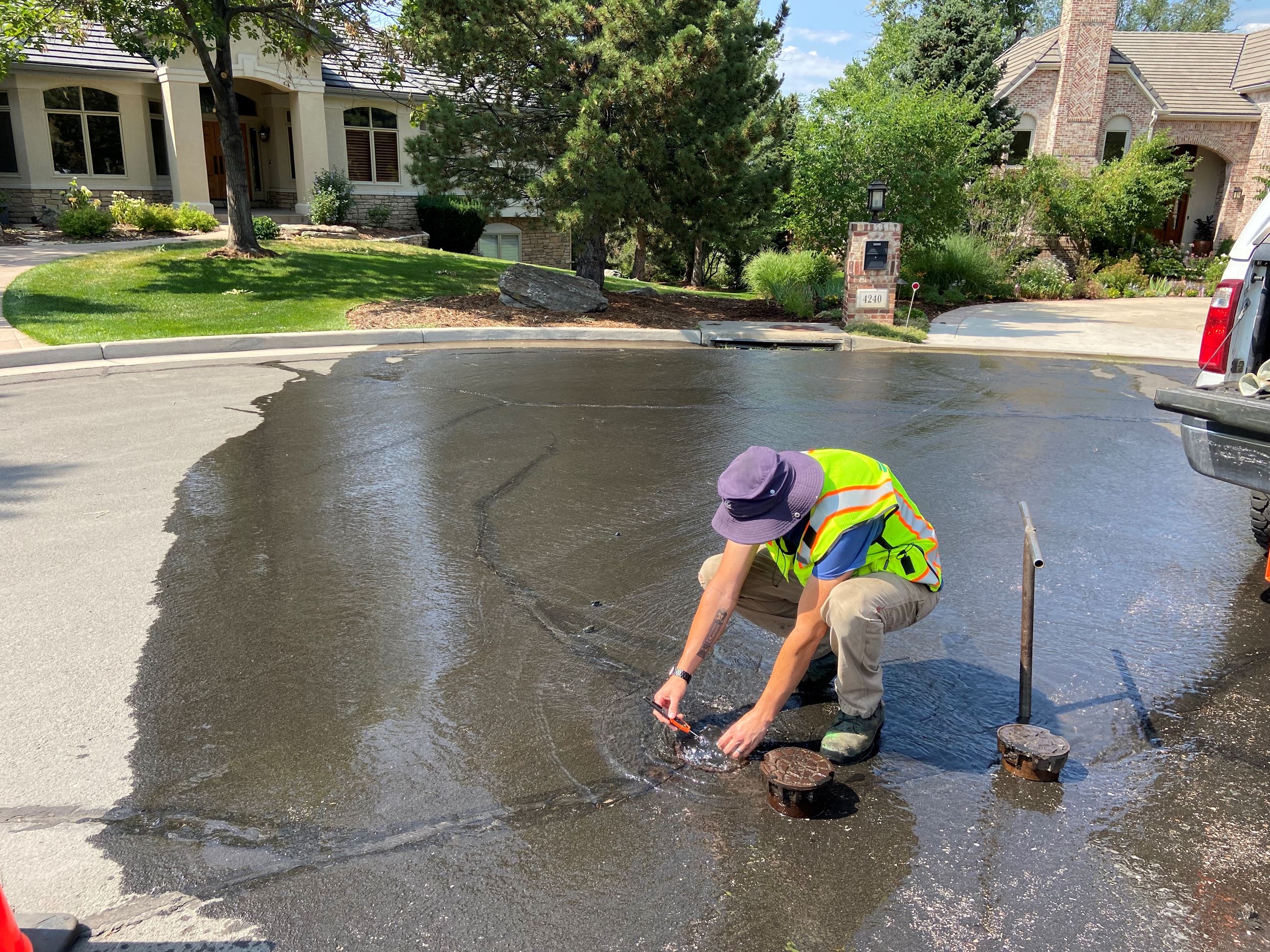
Water main flushing typically begin in the Spring and continue throughout the Fall, when temperatures are above freezing. When the flushing is taking place, water quality may temporarily be reduced. Using water for tasks such as dish-washing, laundry, or showering may result in the discoloration/staining of your clothes or household items. Plan ahead and be sure your laundry and dishes are done before the flushing process begins!
During the process, you might experience a difference in the water pressure in your faucets as well as some discoloration in the water. The process (using a hydrant or blowoff) typically takes 10 - 20 minutes. Once the hydrants or blowoffs in your area have completed their flushing, it won’t be long until your water is ready for normal use again. In most cases, water should run clear with just a few minutes of faucet flow. Turn your faucets on cold and let the water run for 5 minutes or so. If you are still seeing discolored water or sediments in the water, continue running cold water on all your faucets until it is clear. Should your water still be discolored after several hours, please contact your Southgate's Main Office (303-779-0261).
Although you will see water flowing for up to an hour, rest assured that most of the water that was flushed will return to a river, stream, or aquifer. Flushing is a necessary process to help keep our water mains clean and clear of sediment, allowing your public water supplier to provide excellent water quality, and increased pressure and flow.